
How Do Care Homes Support Independence?

Choosing a care home is a significant life decision, often accompanied by understandable concerns about independence. Many older people and their families worry that moving into a care home will mean losing control, freedom or a sense of self. In a care home, independence is not something residents give up. Instead, it is carefully supported alongside professional, round-the-clock care.
Modern care home services are designed to enhance quality of life, not limit it. With the right approach, residents can enjoy choice, dignity and reassurance, knowing help is available whenever it is needed. Care homes provide a setting where independence and care work together, allowing residents to live confidently and comfortably.
Independence in Later Life - What It Really Means
Independence changes as we grow older, but it does not disappear. It is no longer about managing everything alone, but about retaining choice, routine and control over daily life. In a care home setting, independence means being able to make decisions, express preferences and continue living in a way that feels familiar and meaningful.
Residents are encouraged to remain involved in their own care and everyday routines wherever possible. This might include choosing how to spend the day, deciding what to wear or continuing hobbies and interests. These everyday choices play a vital role in emotional wellbeing and help residents maintain confidence and a strong sense of identity.
Personalised Care That Supports Independence
One of the most important ways care homes support independence is through personalised care planning. Each resident receives an individual care plan tailored to their needs, abilities and wishes. These plans are developed in collaboration with residents and their families to ensure everyone feels involved and reassured.
Care plans are a live document and evolve over time and are reviewed regularly. As needs change, support is adjusted accordingly, ensuring residents receive the right level of support for their needs without unnecessary intervention. This responsive approach allows residents to remain independent for as long as possible, while always having access to professional care.

24/7 Care Without Losing Privacy
The reassurance of 24/7 care is one of the key benefits of living in a care home. Knowing that trained professionals are available day and night offers peace of mind for both residents and families. However, constant care does not mean constant supervision.
Residents enjoy privacy, personal space and quiet time. Care staff are attentive and available, but respectful and discreet, stepping in only when support is needed. This balance ensures residents feel safe without feeling restricted, which is essential for maintaining dignity and independence.
Elderly Independent Living in a Supportive Community
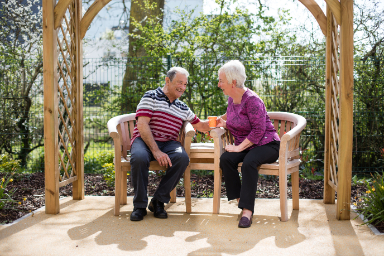
True elderly independent living is not about living alone. It is about living well within a safe and supportive environment. A care home setting like Casa di Lusso allows residents to enjoy independence while benefiting from companionship, social opportunities and reassurance.
Living as part of a community can reduce feelings of loneliness and isolation, which are common challenges in later life. Residents are free to socialise when they wish and enjoy their own space when they prefer, creating a lifestyle that feels balanced and comfortable.
A Typical Day in a Care Home - What Residents Can Expect
Understanding what daily life looks like in a care home can make the decision feel less daunting. Each day is shaped around residents’ preferences, offering gentle structure without rigid routines.
Here is a “typical day” for most care homes.
Morning - Starting the Day at Your Own Pace
Mornings begin calmly, with residents waking when they choose. Care staff are available to assist with personal care and medications where needed, while encouraging residents to remain as independent as possible. Breakfast is relaxed and unhurried, enjoyed either in communal dining areas or in the privacy of residents’ rooms.
This flexible approach helps residents feel respected and settled, setting a positive tone for the day ahead.
Late Morning - Staying Engaged and Active
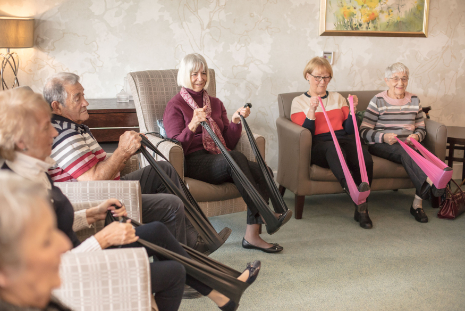
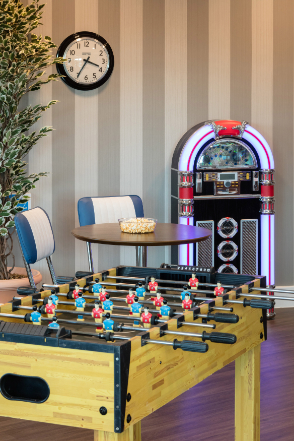
As the morning continues, residents can choose how they would like to spend their time. Some enjoy social interaction, gentle movement or organised activities, while others prefer quieter pursuits such as reading or conversation. Activities are designed to support physical health, mental stimulation and emotional wellbeing, but participation is always optional.
Choice is key. Residents decide how involved they wish to be, reinforcing independence and personal control.
Lunchtime - Nutrition and Social Connection
Lunchtime is both a practical and social part of the day. Meals are freshly prepared, nutritious and tailored to individual dietary needs. Residents are supported as required, but encouraged to remain involved in mealtime routines where possible.
Sharing meals can foster a sense of community, while still allowing residents to dine privately if they prefer. This flexibility supports both independence and comfort.
Afternoon - Personal Time and Meaningful Moments
Afternoons offer a mix of personal time and optional activities. Residents may choose to spend time outdoors, pursue hobbies or simply relax. Care staff remain available for one-to-one support, conversations or assistance as needed.
This part of the day is shaped around individual energy levels and interests, ensuring residents never feel pressured to follow a set schedule.
Evening - Relaxation and Reassurance
Evenings are calm and homely, allowing residents to unwind in comfort. Some enjoy spending time with others, while others prefer quiet evenings in their rooms. Care staff support evening routines and remain available throughout the night, offering reassurance without disturbance.
The presence of overnight care allows residents to rest comfortably, knowing help is always close by.

Support for Elderly Residents Beyond Physical Care
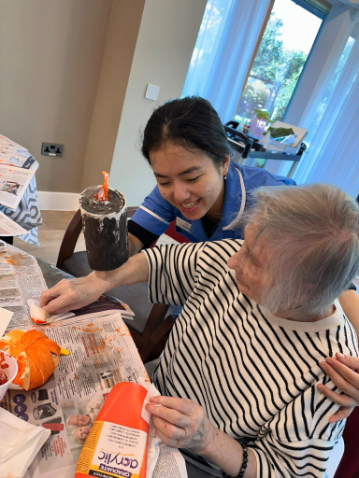
High-quality support for elderly people goes beyond physical assistance. Emotional wellbeing, companionship and understanding are just as important. At Casa di Lusso, care is built on genuine relationships, trust and compassion.
The care team take time to understand residents as individuals, recognising their life experiences, preferences and personalities. This approach helps residents feel valued and respected, which is essential for maintaining dignity and quality of life.
Why Choose Casa di Lusso, a Care Home in Somerset
Families seeking exceptional care home services in Somerset often choose Casa di Lusso for its person-centred approach, experienced care team and warm, welcoming environment. The home offers a peaceful setting combined with professional expertise, supporting residents to live well at every stage.
Open communication with families is encouraged, creating a partnership that builds confidence and trust. This collaborative approach helps ensure residents receive consistent, thoughtful care tailored to their needs.
Living Well With Independence and Support
Moving into a care home is not about giving up independence. It is about gaining the right support to continue living life with confidence. At Casa di Lusso, residents are empowered to make choices, maintain routines and enjoy meaningful connections, all while benefiting from 24/7 professional care.
For anyone looking for a care home in Somerset that truly understands the balance between independence and support, Casa di Lusso offers a place where later life can be lived with dignity, reassurance and purpose.